Bathroom demolition in Tallinn
We remove old sanitary ware, tiles and, if needed, screed from your bathroom, so the tiler can start on a clean surface. The waste goes the same day.
from650 €exact price before work starts
- In business since 2004
- Price agreed before work starts
- Invoices for companies
- Quotes in English on WhatsApp and email
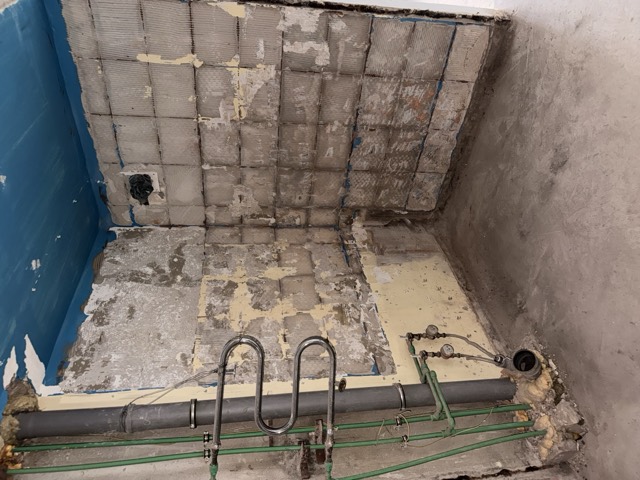
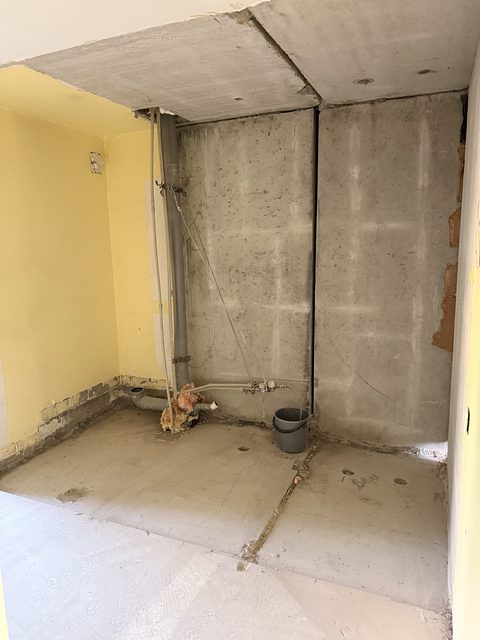
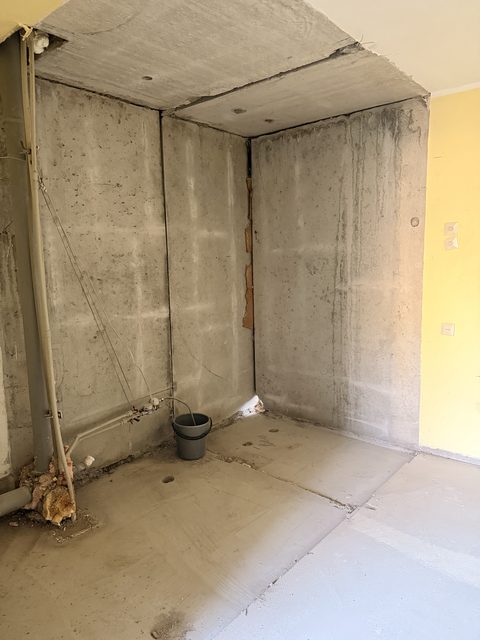 Our work: real photos
What's included
- Shutting off the water and capping pipes temporarily
- Removing the bath, shower, sink and toilet
- Removing wall and floor tiles
- Taking off old waterproofing and adhesive
- Covering the hallway and door openings
- Carrying, sorting and removing the waste
What bathroom demolition involves
A typical job starts with shutting off the water and removing the sanitary ware: the bath or shower, the sink with its cabinet, the toilet and the taps. We cap the pipe ends so the neighbours' water use is not affected.
Then we take off the wall and floor tiles. If the tiles were laid straight onto plaster, some plaster often comes off too, because new tiles should not go on top of an old adhesive layer. On the floor we decide with you or your tiler whether the screed stays or we break it down to the concrete.
Soviet-era buildings often have a cast iron bath, which is very heavy. We break it up on site or carry it out in one piece if you want to reuse it somewhere.
How to prepare
Clear the bathroom of personal things, mirrors and cabinets you want to keep. Check that the shut-off valves on the risers in your apartment work. If they are old and do not close, ask the housing association to shut off the whole riser.
Let the association know when the work will happen. Taking off tiles is loud and many buildings allow it only at set hours.
If you also plan to replace pipes or ventilation, say so at the start. Then we can demolish in a way that the plumber does not have to open the wall again later.
How long it takes and what the price depends on
Demolishing a typical apartment bathroom usually takes one working day, a larger room or one tiled in several layers two days.
The price depends on:
- the size of the bathroom and the height of the tiled walls;
- the number of tile layers, because sometimes new tiles were laid over old ones;
- whether we also remove the screed and plaster;
- the floor, the lift and the distance to the van.
Starting prices are below; we give the exact amount from photos or a visit.
After demolition: what to check before renovation
A stripped bathroom is a good moment to check things that will later be hidden under the tiles. After the job we look at them together with you:
- the condition of the walls and floor: is the concrete sound, are there signs of moisture or mould;
- the floor fall towards the drain, because the old floor often slopes the wrong way and water stands;
- risers and pipes: if they are old, now is the cheapest time to replace them;
- the ventilation opening, which in old buildings is often blocked or built over.
On request we photograph the exposed surfaces, so your tiler and plumber can quote before coming to the site. If you are planning a new layout, for example replacing the bath with a shower or moving the washing machine into the bathroom, tell us before the demolition, so we leave the pipe ends where they will be needed.
Prices
- Bathroom demolition (small bathroom)from 650 €
- Tile removal from walls or floorfrom 12 €/m²
- Bath or shower removalfrom 60 €/pc
- Breaking out screedfrom 20 €/m²
- Waste removalfrom 30 €/m³
Prices are indicative and exclude VAT. We confirm the exact price before work starts.
Frequently asked questions
Can you take the bath out in one piece?+
Yes, if the stairwell allows it. A cast iron bath is heavy and needs several people, so let us know in advance.
Do you also remove the fan and lights?+
We remove them, but safely terminating and later connecting the wiring is an electrician's job. We insulate the wire ends temporarily.
What if there is damage under the tiles?+
If we find a wet or soft base, we show you straight away and agree whether and how to continue.
Does dust spread to other rooms?+
We cover door openings with film and protect the hallway floor. This work is never completely dust-free, but the spread can be greatly limited.